
Stimulants are a class of drugs that increase activity in the central nervous system, generally producing heightened alertness, energy, focus, and mood elevation. They work mainly by increasing levels of certain neurotransmitters — especially dopamine, norepinephrine, and sometimes serotonin — in the brain.
How they work
Most stimulants boost the availability of dopamine and norepinephrine, either by triggering their release, blocking their reabsorption (reuptake), or both. This heightens signaling in brain regions involved in attention, reward, and arousal.
Common effects
Increased alertness and wakefulness
Elevated heart rate and blood pressure
Reduced appetite
Improved short-term focus or concentration
Elevated mood or euphoria (more pronounced with higher-potency stimulants)
Increased body temperature
Categories and examples
Medical/prescription stimulants:
Amphetamines (Adderall) and methylphenidate (Ritalin, Concerta) — used to treat ADHD and narcolepsy
Modafinil — used for narcolepsy and other sleep disorders
Legal, widely used stimulants:
Caffeine — found in coffee, tea, energy drinks
Nicotine — found in tobacco products
Illicit stimulants:
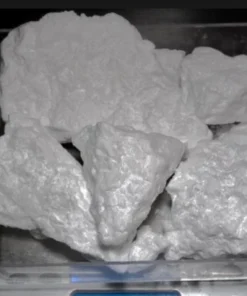
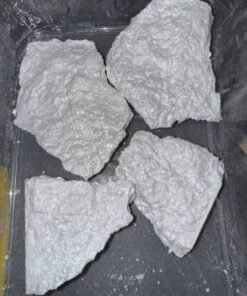
Cocaine
Methamphetamine
MDMA (has stimulant and hallucinogenic/empathogenic properties)
Risks
Stimulants can be habit-forming, especially at higher doses or with non-medical use. Risks include cardiovascular strain (elevated heart rate, blood pressure, arrhythmia risk), anxiety, insomnia, appetite suppression leading to weight loss, and with heavy or prolonged use, potential for dependence, psychosis, or serious cardiac events.




STIMULANTS




STIMULANTS

STIMULANTS


STIMULANTS
STIMULANTS

STIMULANTS